5 Red Flags Your Insurance Company Is Underpaying Your Claim (And What to Do)
After property damage, most homeowners expect their insurance policy to help them recover quickly and fairly. Unfortunately, many policyholders discover that the insurance company’s first offer falls far short of what is actually needed to repair the damage.
An underpaid insurance claim can leave you paying out of pocket for repairs, replacement costs, and hidden damage that should have been covered. The problem is that many homeowners do not realize their claim has been undervalued until it is too late.
Knowing the warning signs early can help you protect your financial recovery and avoid accepting less than you deserve.
Why Insurance Claims Get Underpaid
Insurance companies often rely on:
- Limited inspections
- Narrow policy interpretations
- Standardized estimating software
- Pressure to settle claims quickly
While not every underpayment is intentional, the result is often the same: the policyholder receives less than the true cost of repairs.
This happens frequently with:
- Fire and smoke damage
- Water intrusion and burst pipes
- Roof and storm related losses
- Large or complex property claims
Homeowners dealing with these situations often seek help through Fire Damage Claims or Water Damage Claims to ensure the full scope of damage is included.
Red Flag #1: The Insurance Company Rushes You to Settle
One of the clearest warning signs of an underpaid insurance claim is pressure to accept a settlement quickly.
Insurance adjusters may:
- Encourage you to sign paperwork immediately
- Suggest the process will become more difficult if you wait
- Downplay the extent of damage
Quick settlements often happen before hidden damage is fully identified.
This is especially common after storms when roofing, structural, or moisture related issues may take time to appear. Claims involving severe weather may also overlap with Storm and Natural Disaster Claims.
What To Do
Do not rush into accepting the first offer. Make sure the property has been thoroughly inspected before agreeing to any settlement.
Red Flag #2: The Estimate Seems Too Low
If the insurance estimate feels unrealistic compared to contractor quotes or repair expectations, there is a good chance the claim is undervalued.
Common issues include:
- Missing line items
- Low material pricing
- Incomplete labor costs
- Failure to include code upgrades
A low estimate may not account for the true cost of restoring the property to its pre-loss condition.
What To Do
Compare the estimate against independent contractor evaluations and detailed repair assessments.
Red Flag #3: Hidden Damage Is Ignored
Many types of property damage extend beyond what is immediately visible.
Insurance inspections may overlook:
- Moisture behind walls
- Smoke contamination in HVAC systems
- Roof underlayment damage
- Structural shifting after storms
If hidden issues are excluded from the claim, you may end up covering those repairs yourself later.
For example, roof leaks may require further evaluation through Roof Damage Claims to ensure all related damage is included.
What To Do
Request a more detailed inspection and ensure secondary damage is documented before repairs begin.
Red Flag #4: Parts of the Claim Are Denied Without Clear Explanation
Insurance companies sometimes partially deny claims by labeling damage as:
- Pre existing
- Wear and tear
- Maintenance related
- Not connected to the covered event
This is a common tactic in complex property claims where causation may be disputed.
What To Do
Ask for the denial explanation in writing and review the policy language carefully. Unsupported denials can often be challenged.
Red Flag #5: Communication Suddenly Slows Down
Delays and inconsistent communication can signal that the insurance company is:
- Reevaluating the claim internally
- Attempting to reduce payout exposure
- Waiting for the homeowner to give up or settle
This often happens when claims become larger or more complex than initially expected.
What To Do
Keep detailed records of all communication and follow up consistently. Professional representation can also help move stalled claims forward.
How a Public Adjuster Helps With Underpaid Claims
Many homeowners assume they have to accept whatever the insurance company offers. That is not true.
A public adjuster works on behalf of the policyholder to:
- Reevaluate the full extent of damage
- Identify missing or undervalued items
- Interpret policy language
- Negotiate directly with the insurance company
At Main Street Adjusters, we help homeowners challenge low settlement offers and pursue fair compensation for their losses.
What Happens If You Accept an Underpaid Settlement
Once a settlement is finalized, reopening the claim can become difficult. That is why it is important to fully understand:
- The scope of repairs
- Long term damage risks
- The actual cost of restoration
Accepting an underpaid claim too early may leave you responsible for future repair costs out of pocket.
Protect Yourself During the Claims Process
If something about your insurance settlement feels incomplete or undervalued, trust that instinct. Many underpaid claims result from rushed inspections or missing documentation rather than the true extent of damage.
Taking the time to review the claim properly can make a significant difference in your recovery.
Get Help Reviewing Your Insurance Claim
If you believe your insurance company is underpaying your claim, Main Street Adjusters can help evaluate the damage, review your settlement, and fight for the compensation you deserve.
Contact our team today through our Contact Page for a free consultation.
Frequently Asked Questions
How do I know if my insurance claim is underpaid?
Signs include low repair estimates, missing damage, denied portions of the claim, or pressure to settle quickly.
Can I dispute a low insurance settlement offer?
Yes, policyholders have the right to challenge or negotiate insurance settlement offers.
Should I accept the insurance company’s first offer?
Not always, and we suggest heavy caution here. It is important to fully evaluate the damage and compare repair estimates before accepting a settlement.
What does a public adjuster do for underpaid claims?
A public adjuster reviews the damage, identifies missing items, and negotiates directly with the insurance company for a fair settlement.
Can hidden damage be added to my insurance claim later?
In some cases, yes. Additional or supplemental claims may be possible if hidden damage is discovered.
How long do I have to dispute an insurance claim?
Timelines vary by policy and state law, so homeowners should act quickly if they believe their claim was undervalued.
Related Posts
Business Interruption: How to Prove Lost Income to Your Insurance Provider
When a fire, storm, water loss, or other covered event forces your business to slow down or temporarily close, the…
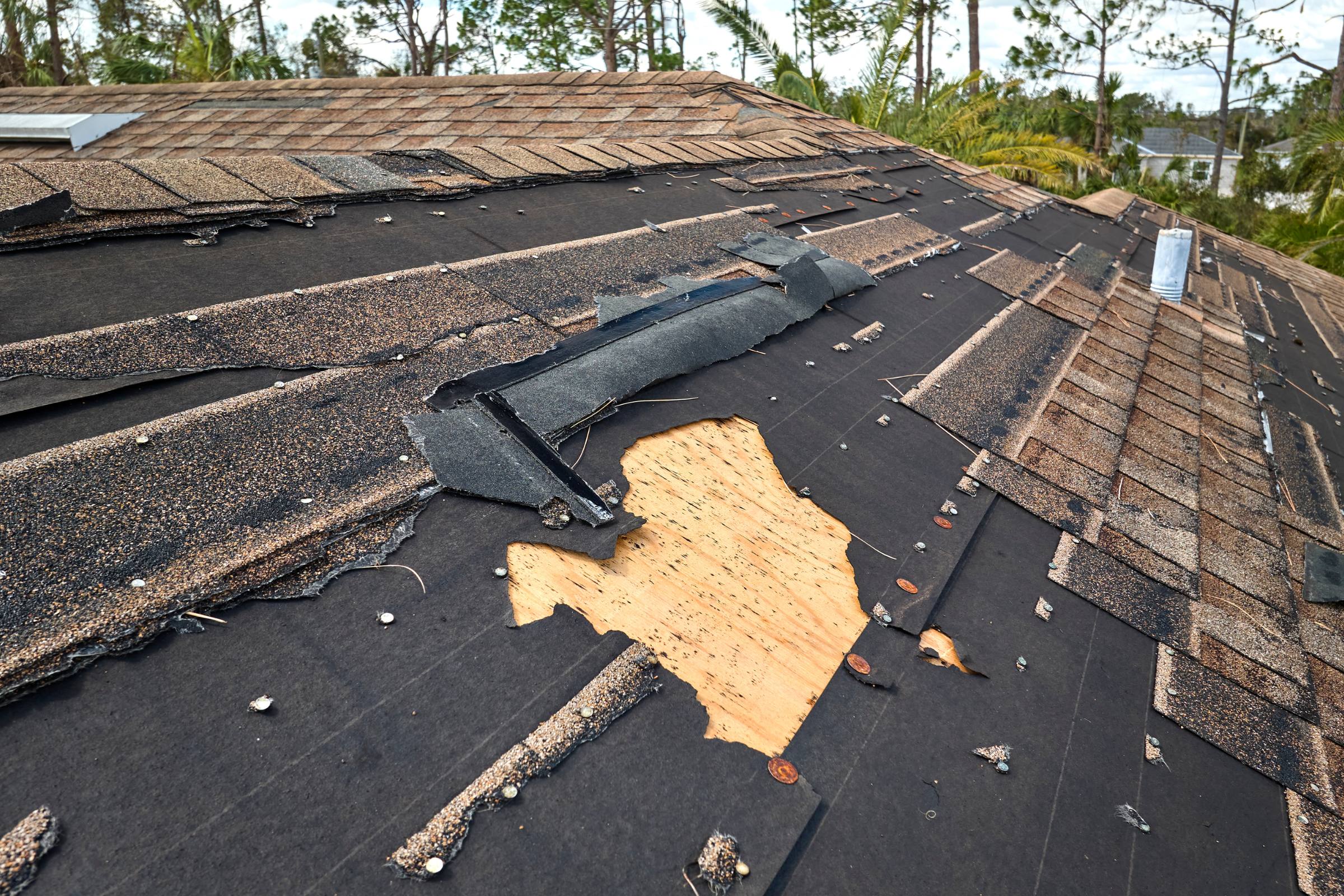
Coastal Homeowners: Navigating Hurricane and Wind Damage Claims in Ocean County, NJ
Living along the Jersey Shore comes with incredible views, coastal communities, and unfortunately, constant exposure to severe weather. For homeowners…

Water Damage Insurance Claims: Why Your Burst Pipe Claim May Get Denied
A burst pipe can cause serious damage within minutes. Water spreads quickly through walls, flooring, insulation, and personal belongings, leaving…