

Business Interruption: How to Prove Lost Income to Your Insurance Provider
When a fire, storm, water loss, or other covered event forces your business to slow down or temporarily close, the financial impact can be just as devastating as the physical damage itself. Lost revenue, ongoing expenses, and operational disruptions can quickly place significant strain on a business that was otherwise thriving.
Fortunately, many commercial insurance policies include business interruption coverage. However, receiving compensation for lost income is not automatic. Insurance companies often require extensive documentation before approving a claim, and many business owners struggle to prove the full extent of their losses.
With Main Street Adjusters, you partner with a public adjuster that works for you, not the insurance company. Understanding how to properly document and present a business interruption claim can significantly improve your chances of recovering the compensation your business deserves.
What Is Business Interruption Insurance?
Business interruption coverage is designed to help businesses recover financially after a covered property loss disrupts normal operations.
Depending on the policy, coverage may help reimburse:
- Lost business income
- Continuing payroll expenses
- Rent or mortgage obligations
- Utility costs
- Temporary relocation expenses
- Certain extra expenses incurred during recovery
Business interruption claims are commonly associated with events such as fire damage, severe weather, roof failures, and significant water losses.
Businesses dealing with physical property damage should also evaluate related claims such as Fire Damage Claims, Water Damage Claims, or Storm and Natural Disaster Claims to ensure all aspects of the loss are addressed.
Why Proving Lost Income Can Be Challenging
Unlike property damage, lost income cannot be photographed or physically inspected. Insurance carriers often require detailed financial evidence to demonstrate:
- How much revenue was lost
- How long the interruption lasted
- What expenses continued during the shutdown
- Whether the business would have earned additional revenue during the affected period
Without sufficient documentation, insurers may reduce or deny portions of the claim.
The Documents Insurance Companies Typically Request
Strong documentation is the foundation of every successful business interruption claim.
Common records include:
Profit and Loss Statements
Historical profit and loss statements help establish your business’s normal revenue patterns before the loss occurred.
Tax Returns
Several years of business tax returns may be requested to verify income history and support revenue projections.
Sales Records
Point-of-sale reports, invoices, contracts, and sales logs can demonstrate expected earnings that were lost due to the interruption.
Payroll Records
Insurance companies often review payroll information to determine ongoing labor expenses during the recovery period.
Financial Statements
Balance sheets, cash flow statements, and other financial reports can provide additional evidence of operational losses.
Bank Statements
Banking records may help confirm revenue trends before and after the loss event.
The Importance of Establishing a Baseline
One of the most important aspects of proving lost income is demonstrating what the business would have earned if the loss had never occurred.
Insurance companies typically compare:
- Revenue before the loss
- Revenue during the interruption period
- Historical seasonal performance
- Growth trends and future projections
For example, a restaurant in Monmouth County that experiences a fire during its busiest season may suffer significantly greater losses than the same closure during a slower period.
The stronger the historical data, the stronger the claim.
Common Mistakes That Hurt Business Interruption Claims
Many business owners unintentionally weaken their claims by making avoidable mistakes.
Failing to Track Losses Immediately
Waiting weeks or months to document lost revenue can create gaps in the claim.
Incomplete Financial Records
Missing financial documents can make it difficult to establish the true impact of the interruption.
Accepting Insurance Calculations Without Review
Insurance companies may use their own assumptions when calculating losses, which can result in lower settlements.
Focusing Only on Revenue
Many business owners overlook ongoing expenses that may also be covered under the policy.
Why Business Interruption Claims Often Require Professional Assistance
Business interruption claims are among the most complex types of insurance claims because they involve both property damage and financial analysis.
A public adjuster can help by:
- Reviewing policy language
- Identifying all available coverage
- Gathering supporting documentation
- Calculating lost income accurately
- Negotiating with the insurance company
At Main Street Adjusters, we work directly with business owners to ensure their claims reflect the true financial impact of the loss.
Our team helps document both the physical and financial consequences of the event, so you can get the claim you deserve.
Protect Your Business Recovery
Recovering from a major loss requires more than repairing the property. Businesses must also account for lost income, ongoing expenses, and the operational challenges that come with downtime.
The sooner a business interruption claim is properly documented, the stronger the position for securing a fair settlement.
Get Help With Your Business Interruption Claim
If your business has experienced a covered loss and operations have been disrupted, Main Street Adjusters can help you navigate the claims process and pursue the compensation you’re entitled to.
Contact our team today through our Contact Page:
FAQ
How do I prove lost income for a business interruption claim?
You typically need financial records such as profit and loss statements, tax returns, sales reports, payroll records, and bank statements to demonstrate your losses.
What types of events trigger business interruption coverage?
Covered events often include fire damage, storm damage, water damage, roof collapses, and other insured property losses that disrupt business operations.
How is lost business income calculated?
Insurance companies generally compare pre-loss revenue history against actual earnings during the interruption period while considering trends and seasonal factors.
Does business interruption insurance cover employee payroll?
Many policies provide coverage for ongoing payroll expenses, although coverage varies depending on the policy language.
Should I hire a public adjuster for a business interruption claim?
Business interruption claims are often complex. A public adjuster can help calculate losses accurately, gather supporting documentation, and negotiate a fair settlement with the insurance company.
Related Posts

Actual Cash Value vs. Replacement Cost: Why Your Insurance Payout May Be Less Than Expected
You filed a property damage claim, the insurance company inspected the loss, and an estimate finally arrived. Then you looked…
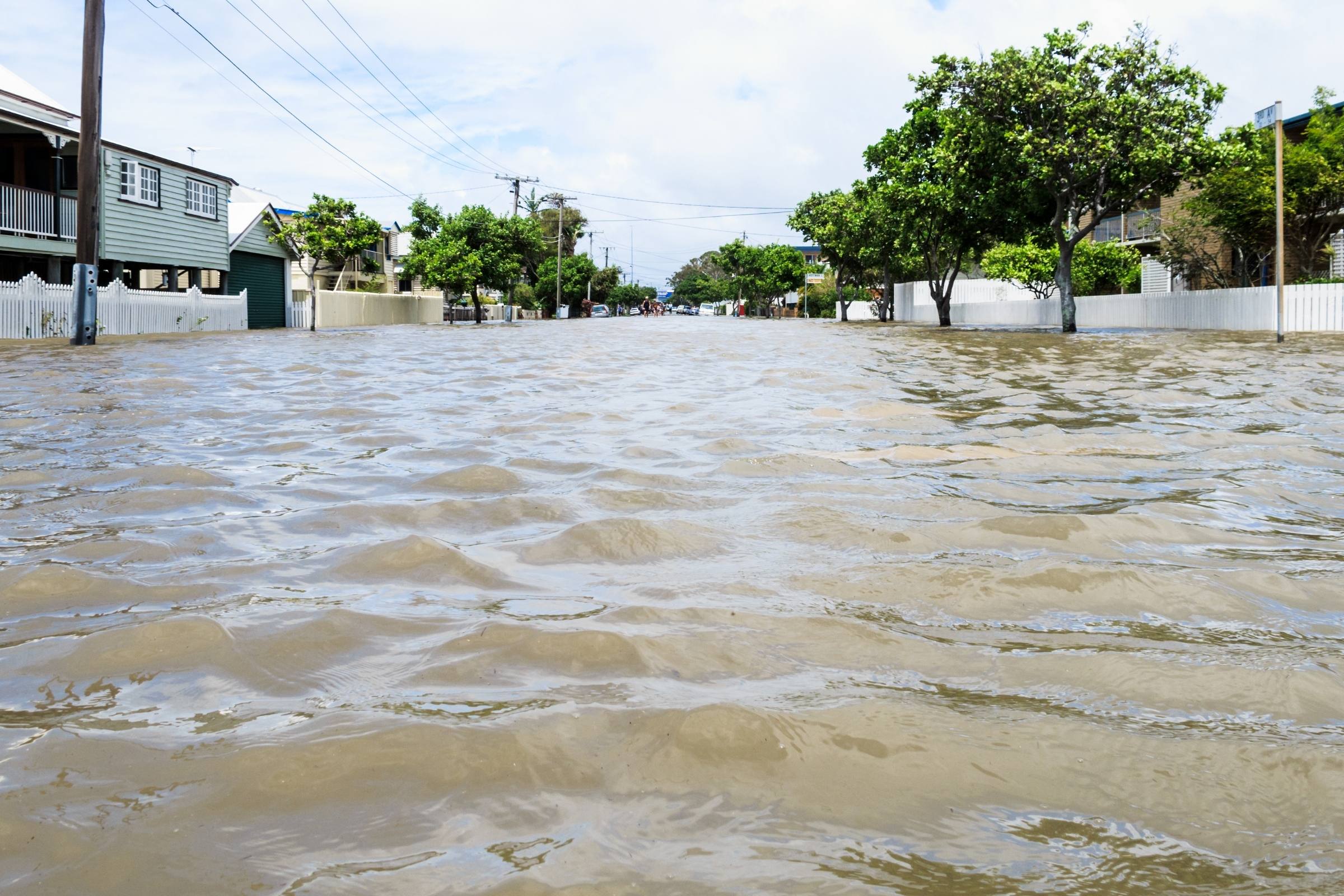
What to Do in the First 48 Hours After a Flood in New Jersey
Flood damage creates pressure to act immediately. Some actions protect your property and insurance claim. Others can accidentally destroy evidence…
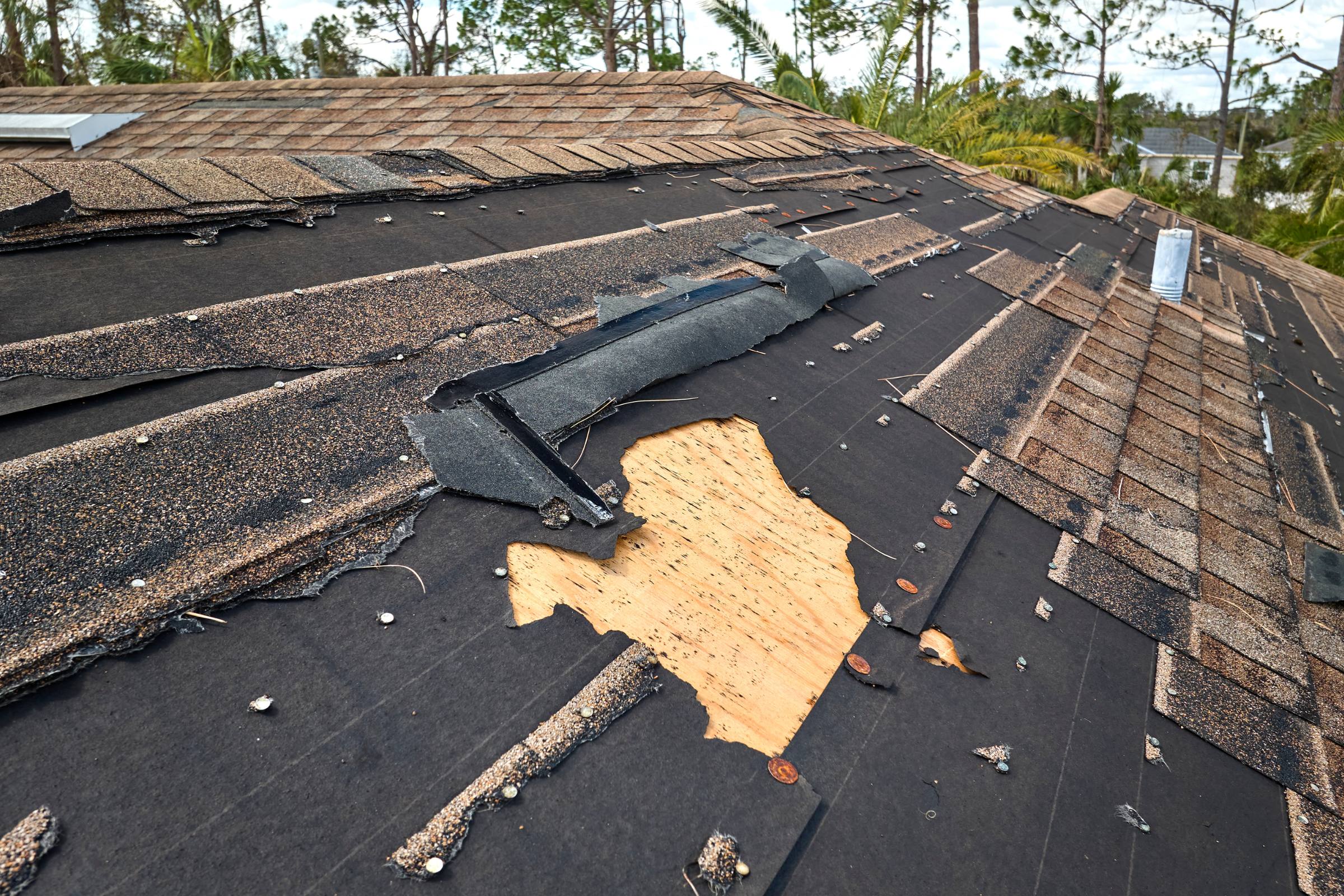
Coastal Homeowners: Navigating Hurricane and Wind Damage Claims in Ocean County, NJ
Living along the Jersey Shore comes with incredible views, coastal communities, and unfortunately, constant exposure to severe weather. For homeowners…