
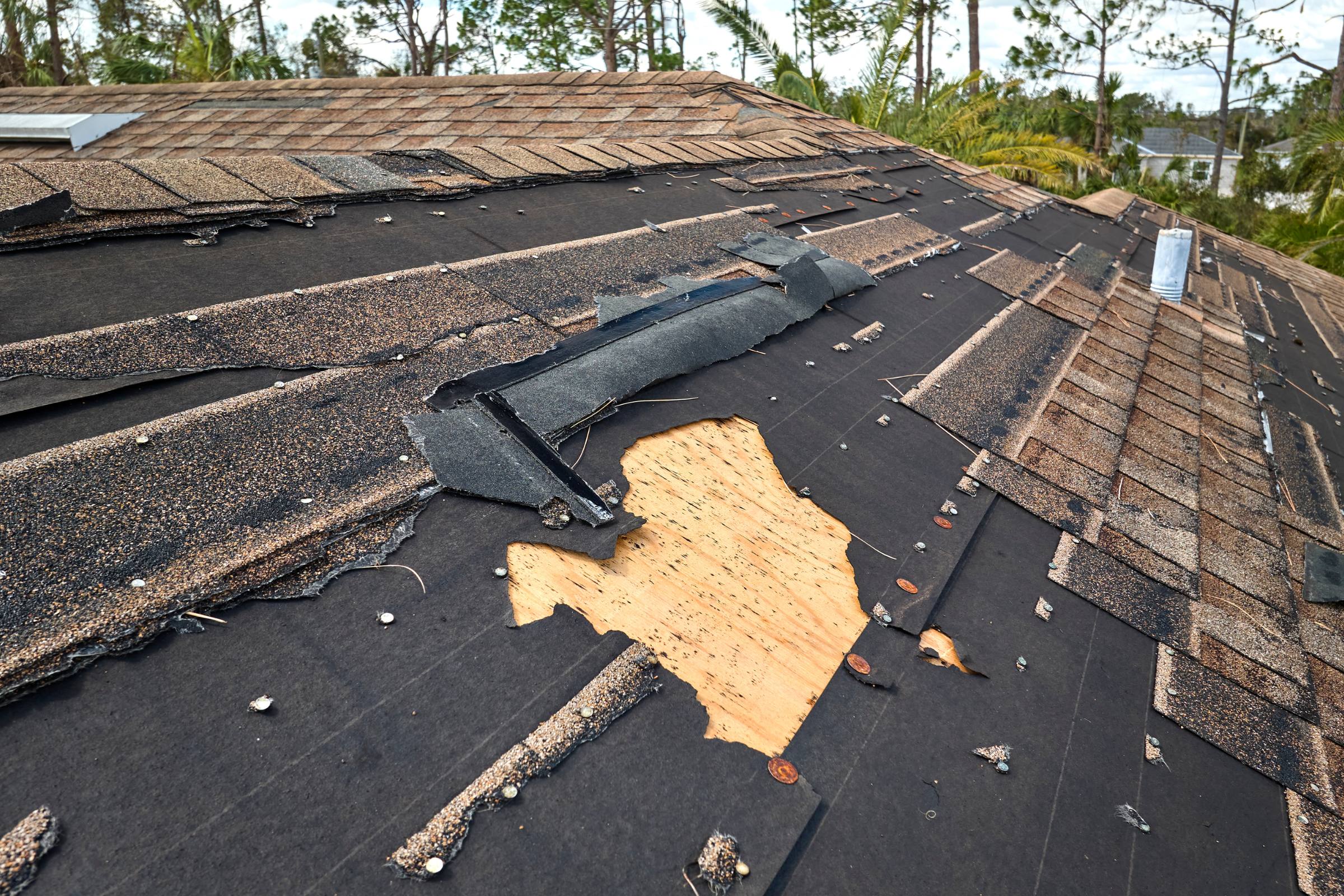
Coastal Homeowners: Navigating Hurricane and Wind Damage Claims in Ocean County, NJ
Living along the Jersey Shore comes with incredible views, coastal communities, and unfortunately, constant exposure to severe weather. For homeowners in Ocean County, hurricanes and strong coastal storms are not rare events. High winds, heavy rain, and flying debris can cause major property damage in just a few hours.
The challenge begins after the storm passes. Filing hurricane and wind damage claims in Ocean County, NJ is often more complicated than homeowners expect. Between policy limitations, hidden damage, and insurance disputes, many claims end up underpaid or delayed.
Understanding how these claims work and what steps to take after a storm can help protect both your property and your financial recovery.
Why Coastal Homes Face Greater Storm Risks
Ocean County properties are exposed to conditions that inland homes rarely experience. Coastal weather patterns place continuous stress on roofing systems, siding, windows, and structural materials.
Homes near the shoreline often face:
- Wind uplift affecting roofing materials
- Wind driven rain entering through small openings
- Salt air accelerating material deterioration
- Flooding and storm surge during major storms
Communities such as Toms River, Brick, Point Pleasant, and Long Beach Island are especially vulnerable during hurricane season.
For homeowners dealing with widespread weather related damage, professional support through Storm and Natural Disaster Claims can help ensure the full extent of damage is identified.
The Difference Between Wind Damage and Flood Damage
One of the biggest points of confusion after a hurricane is determining which type of damage falls under which policy.
Generally:
- Wind damage is covered under standard homeowners insurance
- Flood damage requires a separate flood insurance policy
Insurance companies may attempt to classify certain damage under the policy that provides less coverage or higher limitations.
For example:
- Roof leaks caused by wind may be covered
- Water entering from rising floodwaters may not
This distinction becomes critical when evaluating claims involving both wind and flooding. In those situations, homeowners may also need help with Flood Damage Claims.
What Wind Damage Actually Looks Like
Not all storm damage is obvious immediately after the event. Many homeowners only notice problems weeks later.
Common forms of hidden wind damage include:
- Lifted shingles compromising the roofing system
- Damage beneath roofing materials
- Moisture intrusion behind siding
- Cracked flashing around vents and chimneys
- Structural shifting from pressure changes
Insurance inspections may overlook these issues if the damage is not immediately visible.
That is why detailed roof evaluations are often necessary through Roof Damage Claims.
Why Hurricane Claims Get Underpaid
Many homeowners assume the insurance company will automatically account for all storm related damage. Unfortunately, that is not always the case.
Claims may be underpaid because:
- Damage is labeled as wear and tear
- Hidden moisture is not included
- Inspections are limited in scope
- The insurer disputes when the damage occurred
This is especially common in coastal homes where insurers may argue that deterioration existed before the storm.
Proper documentation and inspection are essential to countering these arguments.
What Ocean County Homeowners Should Do After a Storm
The actions you take immediately after a hurricane or wind event can significantly impact your claim.
Document Damage Immediately
Take photos and videos of:
- Roof damage
- Fallen trees or debris
- Interior water intrusion
- Damaged siding and windows
Prevent Further Damage
Temporary measures such as tarping the roof or boarding openings can help reduce additional loss.
Save Repair Receipts
Emergency mitigation costs may be reimbursable under your policy.
Do Not Rely Solely on the Insurance Inspection
Independent evaluations often uncover additional damage that standard inspections miss.
How a Public Adjuster Helps Coastal Homeowners
Hurricane claims are often complex because multiple forms of damage happen simultaneously. A public adjuster works for the homeowner, not the insurance company.
At Main Street Adjusters, we help by:
- Conducting comprehensive storm inspections
- Identifying hidden and secondary damage
- Reviewing policy coverage in detail
- Negotiating directly with insurance carriers
When interior water damage develops after a storm, we may also coordinate related Water Damage Claims to ensure all affected areas are included.
The Long Term Impact of Delayed Storm Damage
One of the biggest mistakes homeowners make is assuming minor storm damage can wait.
Small issues can quickly become:
- Mold growth from trapped moisture
- Structural deterioration
- Interior ceiling and wall damage
- Electrical hazards
Addressing damage early and documenting it properly can prevent much larger expenses later.
Why Local Knowledge Matters in Ocean County
Coastal claims are different from standard property claims. Homes in Ocean County experience:
- Stronger wind exposure
- Salt air corrosion
- Higher moisture levels year round
- Greater flood and storm surge risk
Understanding these local conditions helps build stronger claims and counter insurance arguments related to pre-existing wear.
Protect Your Home and Your Insurance Claim
After a hurricane or severe storm, the insurance process can feel overwhelming. The key is making sure the damage is fully documented before repairs begin or settlement offers are accepted.
A properly handled claim can make the difference between partial repairs and a complete recovery.
Get Help With Hurricane and Wind Damage Claims in Ocean County
If your home has been impacted by a hurricane, wind event, or coastal storm, Main Street Adjusters can help protect your claim and fight for a fair settlement.
Contact our team today through our Contact Page for a free consultation.
Frequently Asked Questions
Does homeowners insurance cover hurricane damage in New Jersey?
Most policies cover wind related hurricane damage, but flood damage usually requires separate flood insurance.
What should I do after wind damage to my home?
Document all damage immediately, prevent further exposure, and contact your insurance company as soon as possible.
How do insurance companies determine wind damage?
Adjusters inspect the property to identify storm related damage and determine whether it resulted from a covered event.
Can roof damage from hurricanes be hidden?
Yes, wind can damage roofing systems beneath the surface without immediately visible signs.
Why are hurricane claims often disputed?
Insurance companies may argue that damage resulted from wear and tear rather than the storm itself.
Should I hire a public adjuster for storm damage?
For complex or large storm claims, a public adjuster can help ensure all damage is properly documented and your settlement is maximized.
Related Posts
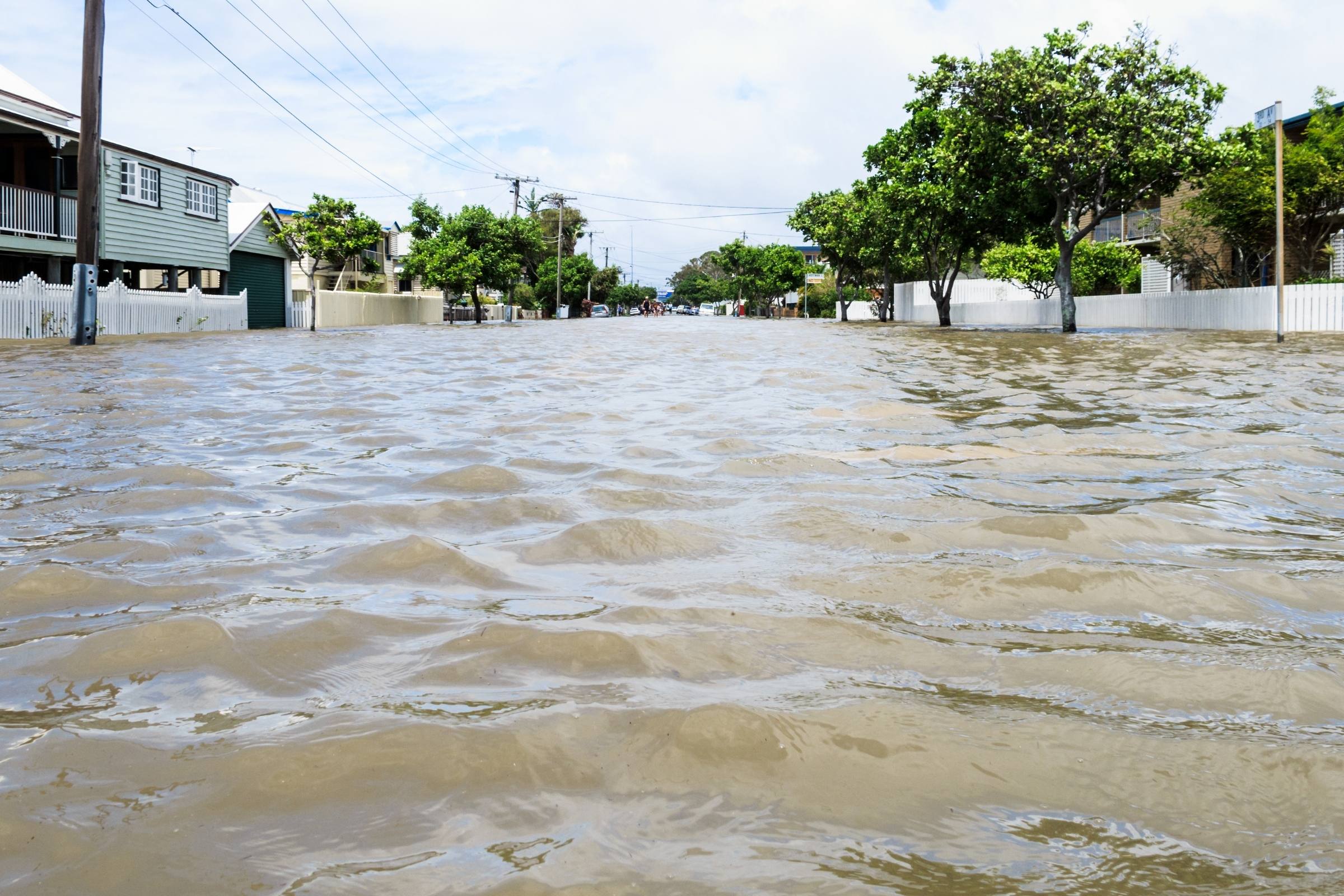
What to Do in the First 48 Hours After a Flood in New Jersey
Flood damage creates pressure to act immediately. Some actions protect your property and insurance claim. Others can accidentally destroy evidence…
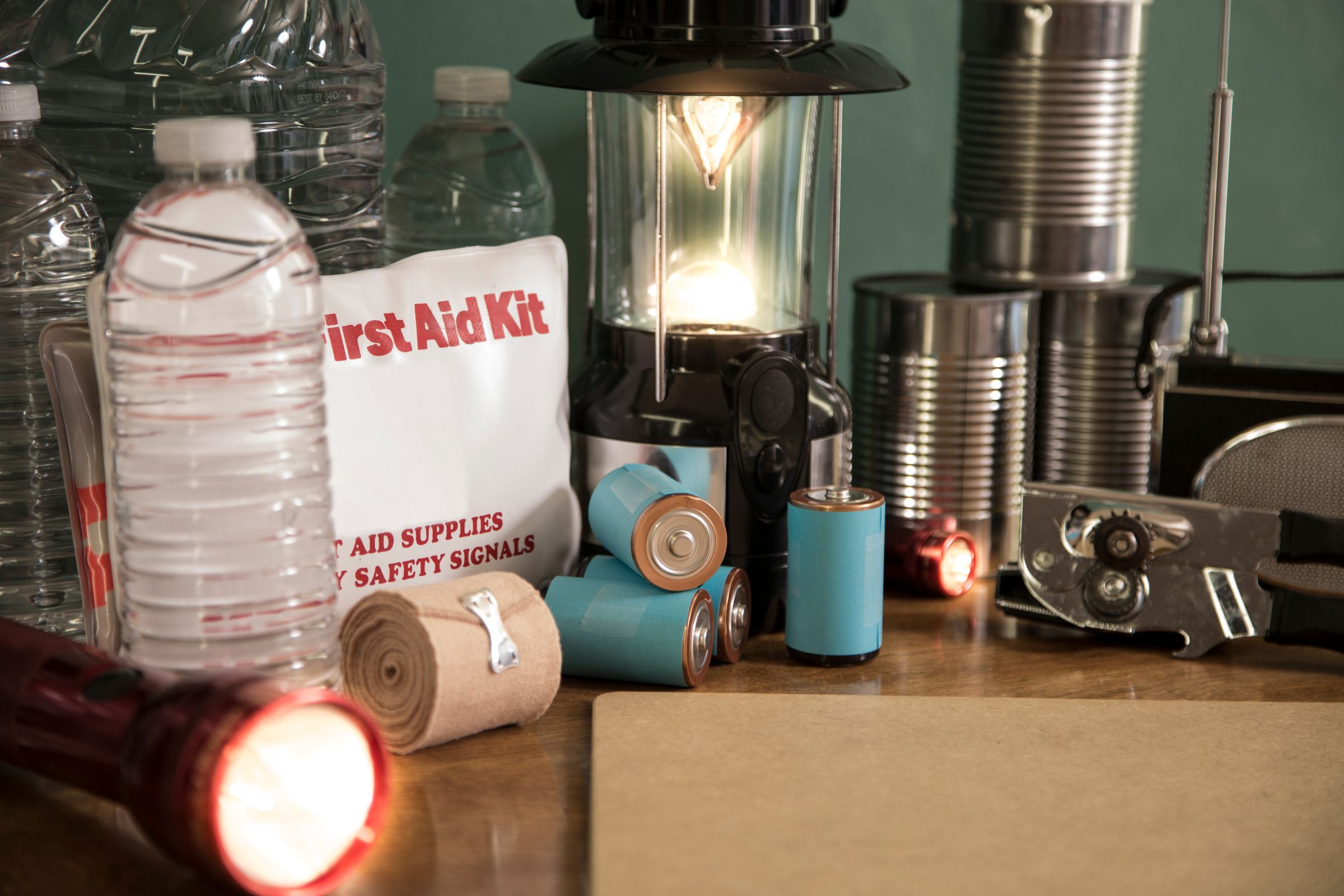
Preparing for Natural Disasters: A Homeowner’s Guide
Natural disasters are a reality for homeowners in New Jersey, with storms, floods, and even hurricanes posing significant threats to…

Navigating Insurance Claims After Natural Disasters in New Jersey
Natural disasters can wreak havoc on homes and businesses, leaving behind devastation that’s both emotional and financial. For residents of…