
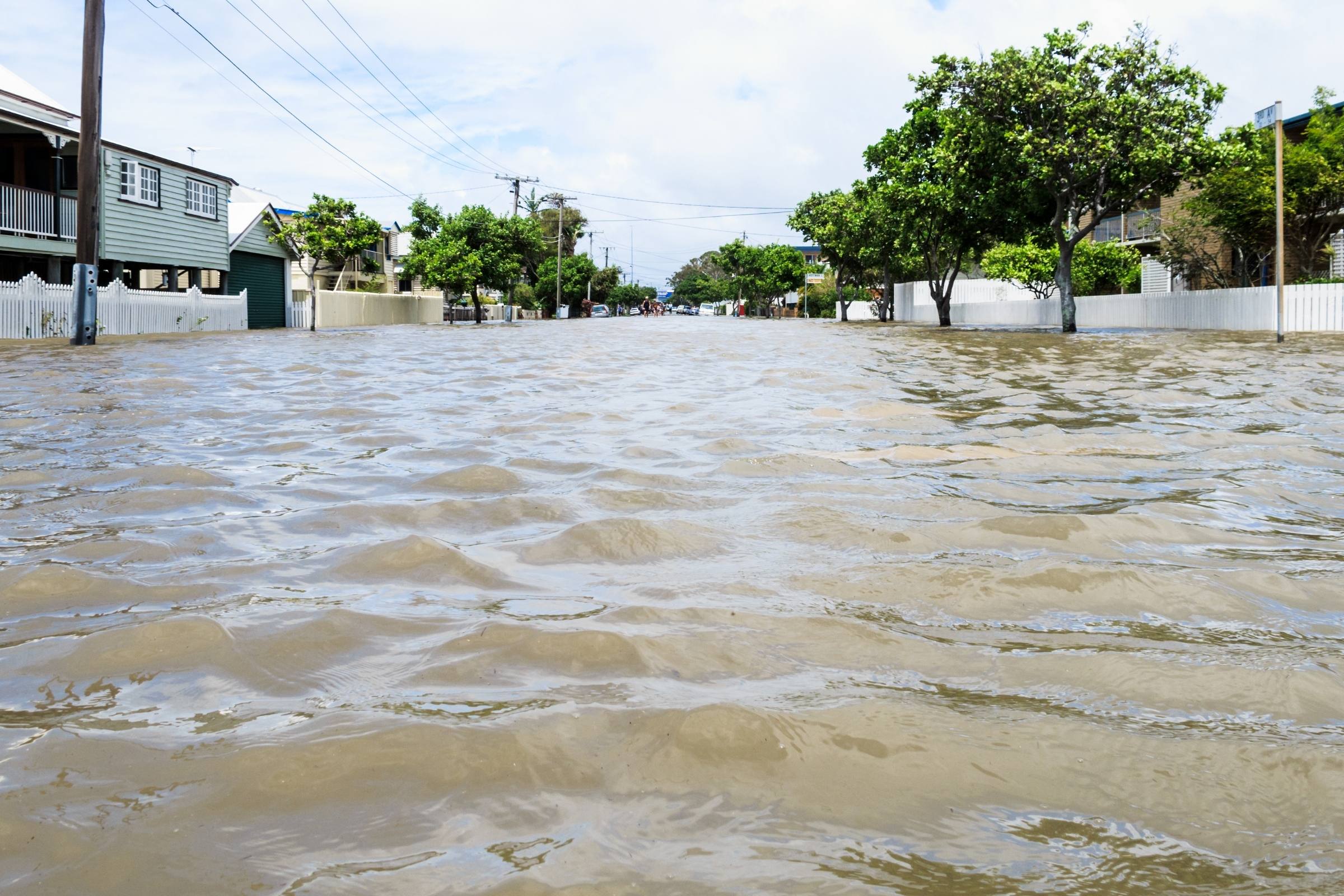
What to Do in the First 48 Hours After a Flood in New Jersey
Flood damage creates pressure to act immediately. Some actions protect your property and insurance claim. Others can accidentally destroy evidence you may need later.
Use this checklist during the first 48 hours after flooding affects your New Jersey home or business.
First 1 to 3 Hours: Focus on Safety
Do not enter a flooded property until authorities say it is safe.
Floodwater can contain sewage, chemicals, debris, and other contaminants. Water around electrical systems creates an additional hazard.
After evacuation, return only when permitted and stay away from downed electrical lines, unstable structures, and standing water near electrical equipment.
Hours 3 to 12: Document Everything
Once you can safely access the property, take photographs and videos before cleanup changes the scene.
Document:
- Standing water
- Water lines on walls
- Every affected room
- Flooring and drywall
- Furniture and belongings
- Appliances
- Mechanical equipment
- Exterior flooding
- Commercial inventory or equipment
Take more photographs than you think you need.
Property owners can learn more about the insurance process on our Flood Damage Claims page.
Hours 12 to 24: Report the Loss and Prevent Further Damage
Notify the appropriate insurance carrier promptly.
Take reasonable temporary steps to prevent additional damage when those steps can be performed safely.
Keep every receipt related to:
- Water extraction
- Emergency cleanup
- Temporary repairs
- Equipment rental
- Temporary lodging
- Other immediate loss-related expenses
Do not begin unnecessary permanent reconstruction before the original conditions have been documented.
If the storm also damaged your roof or exterior, review our Storm & Natural Disaster Claims guidance.
Hours 24 to 48: Build Your Claim File
Start one folder, physical or digital, for everything connected to the loss.
Keep:
- Photos and videos
- Your claim number
- Insurance communications
- Contractor estimates
- Cleanup invoices
- Receipts
- Lists of damaged belongings
- Notes from phone conversations
Create an inventory of damaged personal property. Include the item, approximate age, original cost when known, brand, model, and extent of damage.
Water can also remain inside walls and beneath flooring after floodwater disappears. Our Water Damage Claims page explains why hidden moisture deserves attention.
Do Not Make These Flood Claim Mistakes
During the first 48 hours, avoid:
- Entering an unsafe property
- Driving or walking through floodwater
- Throwing away damaged property before documenting it
- Making permanent repairs before documenting the loss
- Losing receipts for emergency expenses
- Assuming visible damage is the complete loss
- Treating flood damage and other water damage as the same type of insurance claim
Preserving evidence now can make the claim easier to document later.
Need Help With a New Jersey Flood Insurance Claim?
You do not have to manage a significant property loss and a complicated insurance claim at the same time.
Main Street Adjusters represents New Jersey policyholders after flood, storm, water, and other property damage. We can inspect the loss, review coverage, organize documentation, and communicate with the insurance carrier on your behalf.
Contact Main Street Adjusters for a free consultation about your flood damage claim.
Frequently Asked Questions
What is the first thing I should do after my house floods?
Focus on safety. Follow evacuation instructions and do not reenter the property until authorities determine that it is safe. Once you can return safely, begin photographing and documenting the damage.
Should I throw away furniture and belongings damaged by floodwater?
Document damaged property thoroughly before disposal and retain items for inspection when practical. Ask your insurance carrier how damaged property should be handled, particularly before disposing of higher-value items.
How soon should I report flood damage to insurance?
Report the loss promptly after the flooding occurs. Keep your claim number and maintain written records of communications with the insurer.
Can I start cleaning up before the insurance adjuster arrives?
Necessary cleanup and reasonable measures to prevent additional damage may begin, but document the original conditions first when it is safe to do so. Save receipts and preserve damaged materials when practical.
Can a public adjuster help immediately after a flood?
Yes. A licensed public adjuster can assist with documenting the property loss, reviewing insurance coverage, organizing the claim, evaluating damage, and communicating with the insurance company on the policyholder’s behalf.
Related Posts
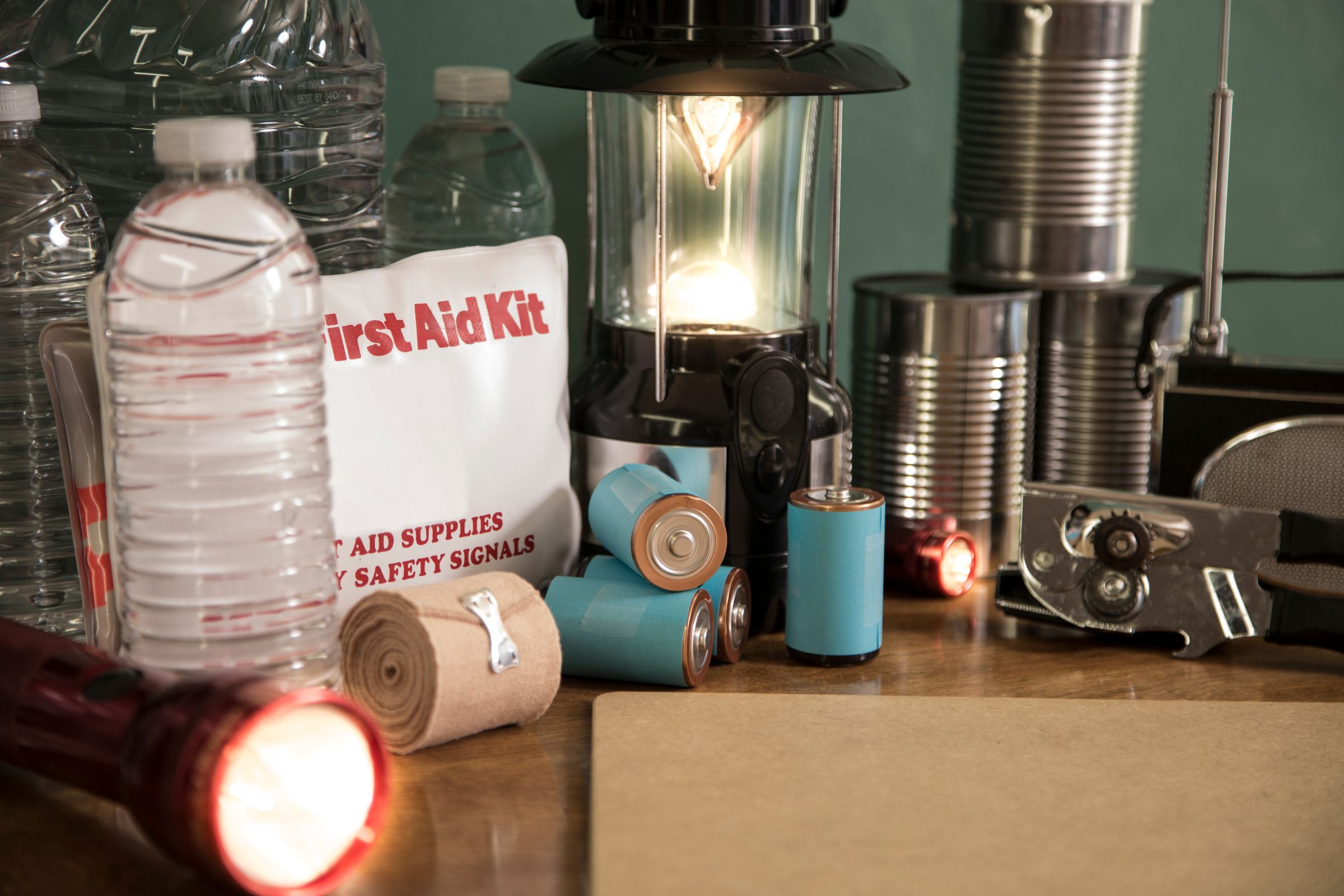
Preparing for Natural Disasters: A Homeowner’s Guide
Natural disasters are a reality for homeowners in New Jersey, with storms, floods, and even hurricanes posing significant threats to…

Understanding Flood Insurance: What Homeowners in NJ Need to Know
Flooding is one of the most common and costly natural disasters in the United States, and New Jersey homeowners are…

Navigating Insurance Claims After Natural Disasters in New Jersey
Natural disasters can wreak havoc on homes and businesses, leaving behind devastation that’s both emotional and financial. For residents of…