
Property Damage After a Major New Jersey Storm? Get Your Claim Started Right
Severe weather can leave New Jersey property owners facing several problems at once. Floodwater may enter basements and first floors. High winds can damage roofing and siding. Falling trees can strike homes and commercial buildings. Rain can enter through damaged roofs and windows, creating additional interior water damage.
Once the immediate danger has passed, the insurance claim becomes an important part of the recovery.
Main Street Adjusters helps homeowners, landlords, business owners, and commercial property owners throughout New Jersey document storm and flood losses and navigate the insurance claims process. As public adjusters, we represent policyholders, not insurance companies.
If your property has just been damaged, you do not need to know the full extent of the loss before asking for help. Early documentation can help preserve evidence before cleanup and emergency repairs change the condition of the property.
Need an Emergency Public Adjuster in NJ?
The first hours after major property damage can be confusing.
Contractors may be arriving. Water may still be entering the building. Damaged materials may need to be removed. Your insurance carrier may already be asking questions about what happened.
This is also when important claim evidence can disappear.
Main Street Adjusters can help evaluate the property, review available coverage, document the loss, and communicate with the insurance company on your behalf.
Our team assists with:
- Residential storm damage claims
- Commercial storm damage claims
- Flood insurance claims
- Wind damage claims
- Roof damage claims
- Interior water damage
- Contents losses
- Business interruption claims
Property owners who need immediate assistance can contact Main Street Adjusters to discuss the loss.
What to Do Immediately After Storm or Flood Damage
Safety comes before the insurance claim.
Follow evacuation orders and instructions from local emergency officials. Do not enter a building if there are concerns about structural stability, electrical hazards, gas, contaminated floodwater, or other dangerous conditions.
Once authorities determine that it is safe to access the property:
- Photograph and video the damage.
- Capture exterior and interior conditions.
- Document standing water and visible water lines.
- Photograph damaged contents before moving or discarding them.
- Report the loss promptly.
- Take reasonable temporary measures to prevent additional damage when safe.
- Save receipts for emergency repairs, temporary lodging, cleanup, and other loss-related expenses.
- Keep notes about conversations concerning your claim.
Avoid rushing into permanent repairs before the original conditions have been thoroughly documented.
For a step-by-step guide, read our First 48 Hours After a Flood in New Jersey checklist.
Storm Damage and Flood Damage Are Not the Same Insurance Loss
One of the most important issues after severe weather is determining how water entered the property.
Flooding and storm-related water intrusion may be treated differently by insurance policies.
For example, wind may damage a roof and allow rain to enter from above. During the same storm, rising surface water may enter the basement from below.
Those can be two different causes of damage.
Standard homeowners and commercial property policies generally do not include traditional flood coverage. Separate flood insurance may apply to losses caused by rising or accumulating surface water.
Our Flood Damage Claims team helps policyholders document losses involving qualifying flood events and understand how the claim process differs from other forms of water damage.
Wind, Rain and Severe Weather Claims
High winds can damage a building without causing a complete structural failure.
Storm-related losses may include:
- Missing or lifted shingles
- Damaged siding
- Broken windows
- Fallen trees
- Damaged gutters
- Roof openings
- Interior rainwater intrusion
- Structural damage from debris
Some problems are easy to see. Others may not become noticeable until the next rainfall.
Our Storm & Natural Disaster Claims service provides additional information for New Jersey property owners dealing with severe weather losses.
Do Not Overlook the Roof
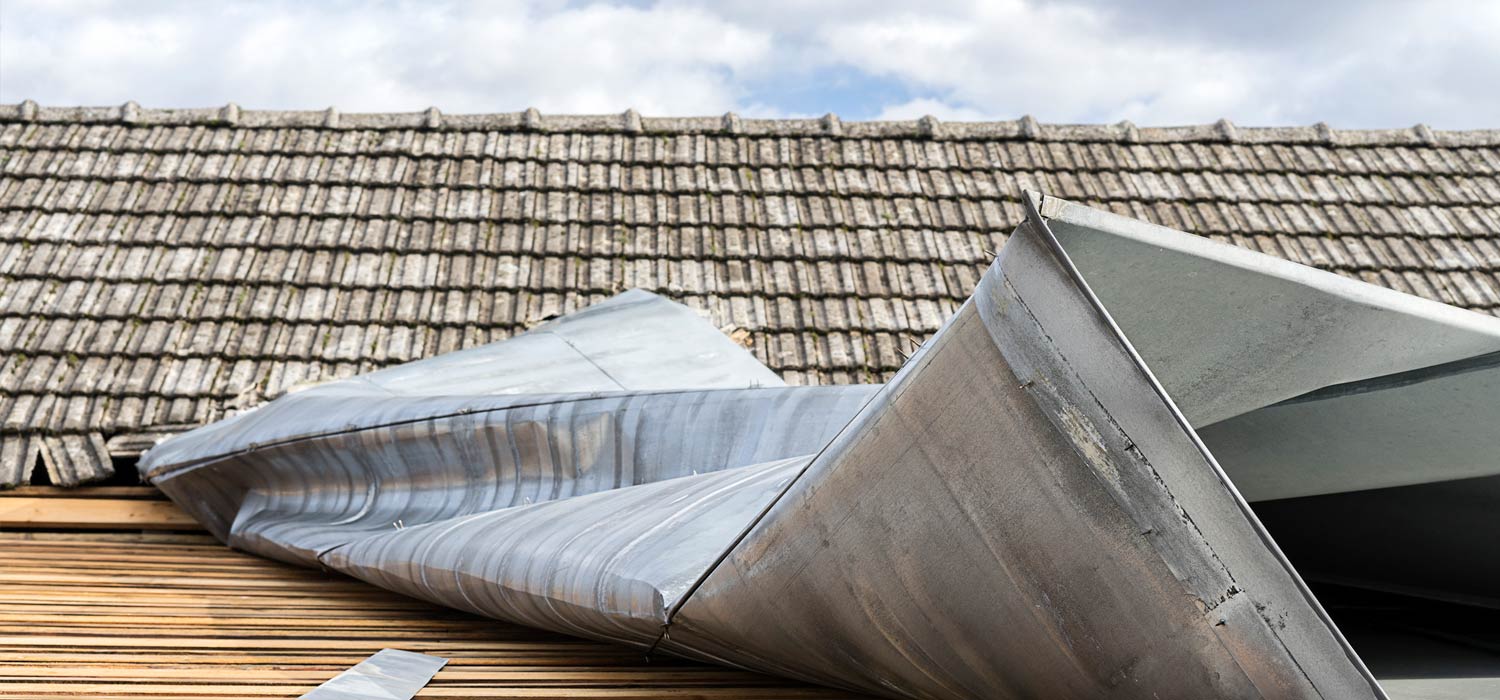
Roof damage is one of the most common problems following high winds, thunderstorms, tropical systems, hail, snow, and falling debris.
A roof may look intact from the ground while shingles, flashing, membranes, vents, or other components have been compromised.
Once water enters through the roofing system, the loss can spread into:
- Attics
- Insulation
- Ceilings
- Walls
- Electrical areas
- Flooring
- Personal belongings
Our Roof Damage Claims team can help document both the roofing damage and related interior loss.
Water Damage Can Continue After the Storm Ends
Standing water is not the only concern after severe weather.
Moisture can remain trapped behind walls, beneath flooring, inside insulation, and around structural components long after visible water has been removed.
Storm-related water damage may affect drywall, flooring, cabinetry, electrical components, furniture, and other property.
Our Water Damage Claims service focuses on documenting these losses and identifying damage that may extend beyond the initially affected area.
Emergency Claim Help for New Jersey Businesses
Severe weather can stop a business from operating even when the building has not been completely destroyed.
A restaurant may lose access to its kitchen. A retailer may have damaged inventory. An office may become unusable because of water intrusion. A warehouse may be unable to receive or ship products.
Repair costs may only represent one part of the loss.
Depending on the commercial insurance policy and cause of damage, coverage may also address qualifying lost income and continuing expenses.
Our Business Interruption Claims service helps New Jersey businesses document the financial impact of covered property losses.
Storm and Flood Claim Help Across New Jersey
Main Street Adjusters serves property owners throughout New Jersey, including communities affected by coastal storms, flash flooding, severe thunderstorms, high winds, and winter weather.
Our team assists clients in areas including:
- Newark
- Jersey City
- Asbury Park
- Brick
- Freehold
- Lakewood
- Toms River
- Ocean County
- Monmouth County
- Hudson County
- Essex County
- Communities throughout New Jersey
Storm damage is highly localized. One neighborhood may experience significant flooding or wind damage while properties only a few miles away see relatively little impact.
Our approach begins with the conditions at your property.
How a Public Adjuster Helps After a New Jersey Storm
Your insurance company assigns an adjuster to evaluate the loss for the carrier.
A public adjuster represents the policyholder.
Main Street Adjusters can help by:
- Inspecting the property
- Documenting storm and flood damage
- Reviewing insurance coverage
- Identifying related losses
- Preparing claim documentation
- Reviewing insurance company estimates
- Communicating with the carrier
- Negotiating the claim on your behalf
Early involvement can also help establish a clear record before damaged materials are removed or permanent repairs begin.
Do Not Let the Cleanup Erase Your Claim Evidence
Emergency cleanup may need to begin quickly after a flood or major storm.
That does not mean documentation should be skipped.
Take photographs and videos before removing damaged materials whenever it is safe and practical. Keep damaged items available for inspection when appropriate, and ask the insurer how contents should be handled before disposing of them.
Save invoices and receipts from:
- Emergency mitigation
- Roof tarping
- Water extraction
- Temporary repairs
- Temporary lodging
- Equipment rental
- Cleanup services
These records can become important supporting documentation during the insurance claim.
Get Emergency Storm and Flood Claim Help in New Jersey
The hours immediately after severe property damage can influence the rest of the insurance claim.
If a storm, flood, wind event, fallen tree, roof failure, or related water loss has damaged your New Jersey home or business, Main Street Adjusters can help you determine the next steps.
We represent policyholders throughout the claim, from documenting the initial loss through negotiations with the insurance company.
Contact Main Street Adjusters for a free claim consultation and speak with our team about your storm or flood damage.
Frequently Asked Questions
Put safety first and follow instructions from local authorities. Once the property can be accessed safely, photograph and video the damage, report the loss, protect the property from additional damage when practical, and keep receipts for emergency expenses.
Standard homeowners insurance generally does not cover traditional flooding caused by rising or accumulating surface water. Separate flood insurance may provide coverage. Policy terms and the cause of the water intrusion should be reviewed carefully.
A public adjuster can be contacted early in the claims process, including before the full extent of the loss is known. Early involvement can be useful when damage is extensive, several types of loss occurred, or the policyholder wants assistance documenting and presenting the claim.
Reasonable temporary measures may be necessary to protect the property from additional damage. Photograph the original conditions first when it is safe to do so, retain relevant damaged materials when practical, and save receipts for emergency work.
A public adjuster represents the policyholder during the insurance claim. Main Street Adjusters can inspect and document the loss, review coverage, organize supporting evidence, evaluate insurance estimates, communicate with the carrier, and negotiate on your behalf.