Insurance Claim Help for Year-Round Homes, Vacation Properties, and Local Businesses
A property insurance claim in Ocean City can begin when the owner is miles away.
A plumbing connection may fail in a vacation home between visits. A nor’easter can damage a roof during the off-season. A rental property may need extensive repairs shortly before guests are scheduled to arrive. For year-round residents, the same damage can mean immediate disruption to daily life.
Ocean City has a distinctive mix of permanent residences, seasonal homes, duplexes, condominiums, and businesses that serve both residents and visitors. Those differences can influence how quickly damage is discovered, what must be repaired, and which insurance provisions apply.
Main Street Adjusters represents Ocean City homeowners, vacation property owners, landlords, condominium owners, and commercial policyholders during property insurance claims.
We work for the policyholder, not the insurance company.
Our team helps document damage, review coverage, prepare claim estimates, examine carrier assessments, and negotiate disputed claim amounts. The objective is to pursue a properly supported settlement for covered property damage.
Three Property Situations We Commonly Help Owners Navigate in Ocean City
Ocean City’s building types and seasonal patterns make some claim questions particularly important.
When Damage Is Discovered at a Vacation Home
An owner arriving for a weekend may find water-damaged flooring, stained ceilings, or a failed mechanical system that was not apparent during the previous visit.
The timing of the damage may be uncertain, and the cause may require investigation.
Insurance policies can contain conditions or exclusions involving vacancy, occupancy, maintenance, freezing, or long-term leakage. These provisions vary, and they should be reviewed rather than assuming a loss is covered or excluded.
A careful claim assessment starts with establishing what happened, when it may have happened, and which building materials were affected.
When a Year-Round Residence Becomes Unlivable
For a permanent Ocean City resident, a fire, significant plumbing loss, or storm-damaged roof can create immediate concerns about safety and temporary housing.
The claim may involve structural repairs, damaged personal belongings, emergency mitigation, and additional living expenses where the policy provides that coverage.
Documenting the damage and necessary repairs helps establish what is required to restore the property.
When a Rental Property or Business Faces Lost Income
A vacation rental owner may lose bookings while covered damage is repaired. A retail shop or restaurant may need to suspend operations during a busy period.
Those financial losses are not automatically covered.
Rental income protection and business interruption coverage depend on the policy, the cause of loss, applicable waiting periods, limits, and other requirements.
Where qualifying coverage applies, documentation may include reservation records, historical income, operating expenses, and the time reasonably required to complete covered repairs.
Coastal Flood and Storm Claims in Ocean City
Ocean City sits on a barrier island between the Atlantic Ocean and the back bays. Its geography makes coastal flooding, wind, and severe weather important considerations for property owners throughout the city.
A single storm may cause several kinds of damage, but the insurance policy may treat those losses differently.
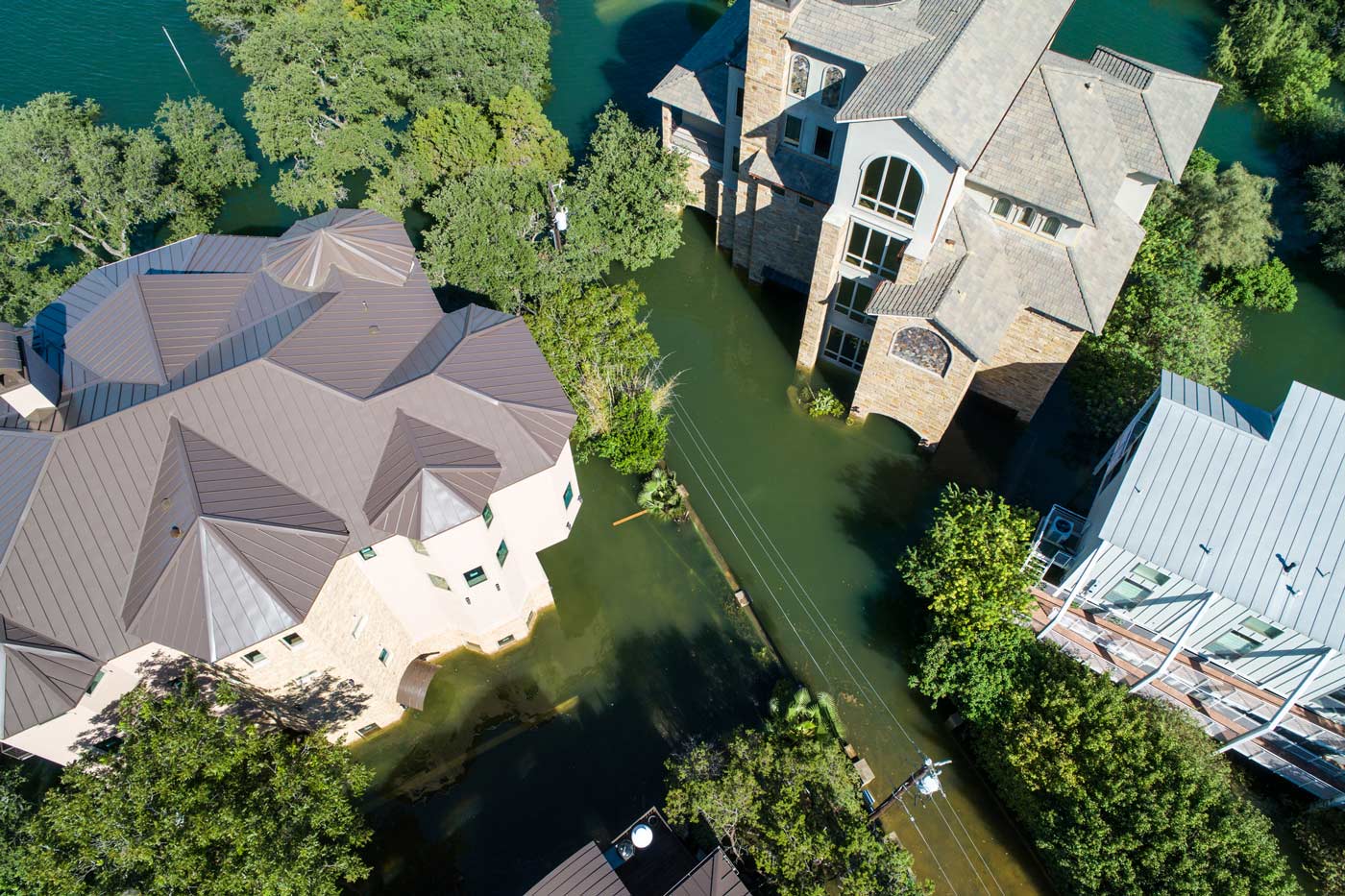

Roof and Interior Water Damage Can Spread Beyond the First Visible Problem
Ocean City properties include older beach houses, renovated duplexes, newer homes, condominium buildings, and commercial structures. Their roofing and plumbing systems vary, but a relatively localized failure can affect several rooms or units.


Fire and Smoke Damage in Residential and Commercial Properties
Fire losses can involve more than burned building materials.
Smoke and soot may spread into adjoining rooms, attic spaces, ventilation systems, and personal belongings. Water used during firefighting can create additional damage that requires documentation.
In older Ocean City homes, the repair scope may involve original woodwork, flooring, framing, or finishes. In duplexes and multifamily properties, smoke or water damage may extend beyond the unit where the fire began.
Commercial fires can affect kitchen equipment, inventory, tenant improvements, and other insured property.
Main Street Adjusters helps policyholders document the full extent of the loss and review the applicable coverage.

Business Interruption in a Seasonal Resort Economy
Ocean City’s businesses include Boardwalk shops, restaurants, cafés, retail stores, lodging properties, professional offices, and year-round service providers.
For a business that earns a substantial share of its revenue during particular months, the timing of property damage can be important when calculating a qualifying business income loss.
A restaurant forced to close after a covered fire may need to document lost sales and continuing expenses. A retailer dealing with water-damaged inventory may face a different combination of property and income losses.
A business interruption claim may require financial records, historical sales, payroll information, extra expenses, and evidence supporting the restoration period.
Coverage depends on the policy and the qualifying cause of the interruption. Seasonal demand does not itself create coverage, but it may be relevant to calculating a covered loss.
Ocean City Neighborhoods and Districts We Serve
Main Street Adjusters assists property owners throughout Ocean City, including but not limited to:
- The Gardens: Primarily single-family residential properties in the island’s northern section, including established homes and larger lots.
- North End: Single-family homes, duplexes, multifamily buildings, and properties near the northern Boardwalk.
- Historic District: Older residential buildings with architectural features and repair considerations associated with historic construction.
- Downtown and Asbury Avenue: Shops, cafés, offices, mixed-use properties, and nearby residences, particularly between 6th and 14th Streets.
- Central Ocean City: Homes, duplexes, condominiums, and commercial properties between the oceanfront and bay.
- Boardwalk District: Retail businesses, food establishments, entertainment properties, and nearby residential buildings.
- Gold Coast: Ocean-oriented residential properties and condominiums in the area generally associated with 18th through 29th Streets.
- Bay Area and Marina District: Waterfront homes, commercial properties, and buildings near boating and marina activity.
- Riviera: Lagoon-front and bay-oriented residential properties along portions of Bay Avenue.
- Bay Landings: Single-family residential properties near the back bay and lagoon waterways.
- 18th to 34th Street Area: Single-family homes, duplexes, townhouses, and other residential properties across the middle of the island.
- Merion Park: Primarily residential properties near the 34th Street Bridge area.
- 34th Street Commercial Corridor: Retail, service, and other business properties serving residents and visitors.
- South End: Residential properties extending toward the southern tip of the island, including homes near both ocean and bay environments.
- Ocean City Homes: Residential properties in the southern part of the city, generally associated with the 52nd through 59th Street area.
We also assist property owners in other Ocean City streets, condominium communities, rental properties, and commercial locations.
These neighborhood descriptions identify areas we serve, not fixed boundaries for insurance coverage or flood exposure.
Why Work With a Public Adjuster on an Ocean City Claim?
The insurance company’s adjuster evaluates a claim for the carrier. A public adjuster represents the policyholder.
Main Street Adjusters helps Ocean City property owners develop documented claims by reviewing insurance policies, assessing damaged materials, preparing estimates, organizing supporting information, and examining the insurance company’s findings.
For a seasonal property, this may include evaluating damage discovered between visits and reviewing relevant policy conditions.
For a condominium, it may involve clarifying the responsibilities of the unit owner’s policy and the association’s master policy.
For a business or rental property, it may include documenting qualifying income losses in addition to the physical repairs.
Our role is to identify and present the loss accurately, not to assume that every type of damage or financial consequence is covered.
Learn more about how public adjusters represent New Jersey property owners.
Get Help With an Ocean City Property Insurance Claim
A property loss can be stressful whether Ocean City is your permanent home, your vacation destination, or the location of your business.
Main Street Adjusters assists Ocean City policyholders with fire, smoke, flood, storm, roof, interior water, and commercial property insurance claims.
If your property has been damaged, or you have questions about an insurance company’s estimate, we can help you evaluate the next steps.
Contact Main Street Adjusters for a free consultation about your Ocean City insurance claim.
You can also explore our New Jersey Areas Served page for other communities we serve.
Frequently Asked Questions
Yes. Main Street Adjusters can help document the damage and review the applicable policy. Coverage may depend on the cause and timing of the loss, as well as policy conditions concerning vacancy, unoccupancy, maintenance, freezing, or prolonged leakage.
Standard homeowners insurance generally excludes flooding caused by rising surface water or tidal water. Separate flood insurance may provide coverage, subject to the policy’s terms, limits, and exclusions. Wind damage and certain other types of water intrusion may be evaluated differently.
Possibly. Some policies provide qualifying rental income or loss-of-rents coverage following covered property damage. Coverage depends on the policy, the cause of loss, applicable limitations, and supporting financial documentation. Lost bookings alone do not establish coverage.
Yes. Main Street Adjusters assists retail, restaurant, lodging, and other commercial policyholders with property damage claims. Business interruption coverage may also apply when a qualifying covered loss disrupts operations, subject to policy requirements.