Insurance Claim Help for Freehold Township and Freehold Borough
A damaged home in a Freehold Township subdivision and a fire-damaged storefront in Freehold Borough may both require property insurance claims, but the circumstances can be very different.
In the Township, a storm may damage the roof of a single-family home or a building within a condominium community. In the Borough, a plumbing failure may affect an older mixed-use property with commercial space downstairs and apartments above. Along Route 9, damage to a retail or professional building may interrupt business operations while repairs are underway.
Main Street Adjusters represents property owners throughout the Freehold area, including Freehold Township and the separately incorporated Freehold Borough.
We assist homeowners, condominium owners, landlords, business owners, and commercial property owners with documenting property damage and navigating insurance claims.
Our team represents the policyholder, not the insurance company.
We review applicable insurance coverage, assess damage, prepare supporting estimates and documentation, and negotiate with carriers to help pursue properly supported settlements for covered losses.
Where Should You Start After Property Damage in Freehold?
The first priority is safety and preventing additional damage when it is reasonable to do so.
Once immediate concerns have been addressed, the next challenge is identifying the full extent of the loss.
A ceiling stain may indicate damage within insulation and wall cavities. A fire contained to one room may leave smoke residue throughout the home. A roof damaged by wind may allow rain to affect several interior spaces.
Before the claim is finalized, it is important to understand:
- The cause of the loss: Fire, wind, a plumbing failure, flooding, and gradual deterioration can be treated differently under an insurance policy.
- The complete damage: Visible damage may not represent every affected building material or personal belonging.
- The repair scope: The insurance estimate should account for the work reasonably necessary to repair covered damage.
- The applicable coverage: Deductibles, limits, exclusions, depreciation, and other provisions can affect the claim.
- The property’s ownership structure: Condominium, townhouse, rental, and commercial properties may involve more than one insurance policy.
Main Street Adjusters helps Freehold policyholders work through these questions and prepare a documented claim.
Property Claims in Freehold’s Residential Communities
Freehold Township includes established subdivisions, newer residential developments, townhouse communities, condominiums, and active-adult neighborhoods.
The property’s construction and ownership arrangement can influence both the damage assessment and the insurance claim.


Storm and Roof Damage in Freehold’s Inland Neighborhoods
Freehold does not face the same direct Atlantic Ocean exposure as beachfront communities, but inland properties can still sustain significant storm damage.
Strong thunderstorms, nor’easters, winter weather, and high winds may affect roofs, siding, gutters, windows, fencing, and detached structures.
In neighborhoods with mature trees, falling branches and windblown debris can create additional property damage.


Flooding and Heavy Rainfall: Understanding the Coverage Difference
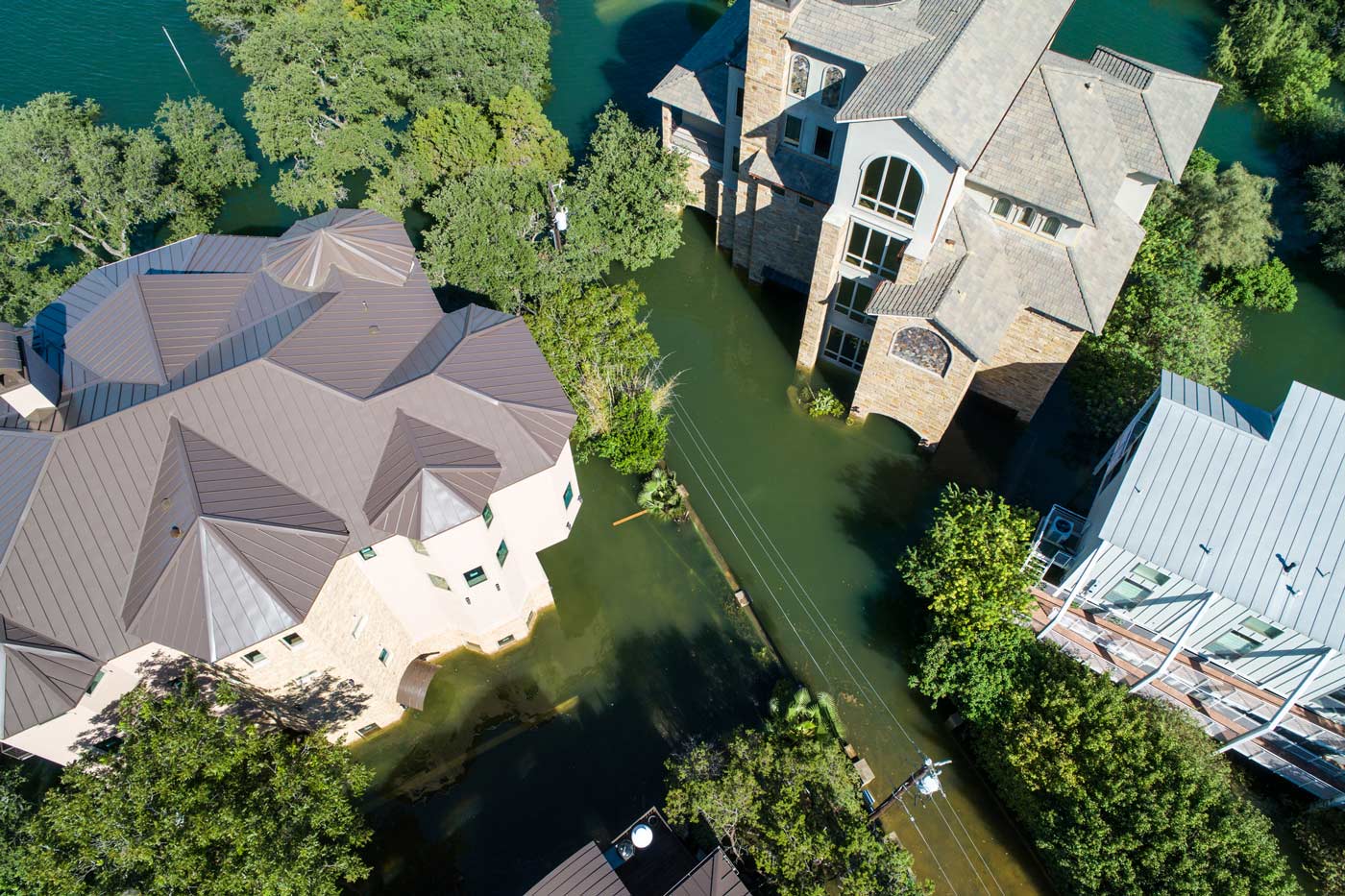
Flood damage is not limited to coastal towns.
Heavy rainfall, overflowing waterways, and accumulated surface water can affect inland properties, depending on their location, elevation, and drainage conditions.
In the Freehold area, a homeowner may need to distinguish among water entering from outside, a sump pump failure, sewer backup, and an interior plumbing leak.
These events may fall under different insurance provisions.
Standard homeowners insurance generally excludes flooding caused by rising surface water. Separate flood insurance may provide coverage, subject to policy terms, limits, and exclusions.
The property’s address and circumstances should be evaluated individually rather than assuming that all Freehold properties face the same flood exposure.
Main Street Adjusters helps policyholders document flood-related damage and review the coverage applicable to the loss.

Commercial Claims Along Route 9 and in Downtown Freehold
The Freehold area has two distinct commercial settings.
Freehold Township includes major retail centers, professional offices, service businesses, and commercial properties along Route 9, West Main Street, and surrounding corridors.
Freehold Borough has a traditional downtown with restaurants, retail storefronts, professional offices, and mixed-use buildings.
A fire, burst pipe, storm, or other property loss may affect a business’s ability to operate while repairs are completed.
A retailer may lose access to inventory. A restaurant may need to close temporarily. A professional office may incur expenses to relocate or maintain essential operations.
Business interruption coverage may apply when qualifying covered physical damage causes an interruption that meets the policy’s requirements.
Preparing the claim may involve sales history, financial statements, continuing expenses, payroll records, and documentation of the repair period.
Main Street Adjusters assists commercial policyholders with property damage claims and qualifying business income losses.
Communities and Neighborhoods We Serve in the Freehold Area
Main Street Adjusters serves properties throughout Freehold Township and Freehold Borough, including but not limited to:
Freehold Township
- East Freehold: Established residential neighborhoods, subdivisions, and properties with varied home designs.
- West Freehold: Residential developments, commercial properties, and neighborhoods near major transportation corridors.
- Raintree: Condominiums, townhouses, single-family homes, and shared community facilities with distinct ownership and insurance considerations.
- Stonehurst: Established residential properties and surrounding neighborhoods.
- Stonehurst West: Residential homes and subdivisions with varied building layouts.
- Monmouth Heights: Established single-family residential neighborhoods.
- Silvermead: A residential community with individual homes and shared community considerations.
- Squires Gate: Residential properties and neighborhood developments.
- College Park: Established residential streets and single-family homes.
- Whittier Oaks: Residential subdivisions with varied housing styles.
- Barkalow Tract: Residential neighborhoods near central Township roadways.
- Clayton Farms: Residential properties in the western portion of the Township.
- Polo Club: Residential development with larger homes and varied property features.
- Riviera at Freehold: Active-adult residential properties and community amenities.
- Georgia Road and Elton-Adelphia Road areas: Residential developments and properties near preserved open spaces.
- Route 9 and Freehold Raceway Mall area: Retail centers, offices, restaurants, and other commercial properties.
Freehold Borough
- Downtown Freehold and East Main Street: Restaurants, shops, offices, and mixed-use buildings.
- West Main Street: Commercial buildings, professional properties, and nearby residences.
- South Street Corridor: Residential properties, neighborhood businesses, and commercial buildings.
- Broad Street Area: Established residential streets and older homes.
- Center Street Area: Residential and mixed-use properties near the Borough’s central neighborhoods.
These examples are not an exhaustive service boundary. We assist policyholders across both municipalities and the surrounding Freehold area.
What a Public Adjuster Can Do for a Freehold Insurance Claim
Insurance company adjusters evaluate claims on behalf of the carrier. A licensed public adjuster represents the policyholder.
Main Street Adjusters helps property owners prepare and support their claims by evaluating damage, reviewing insurance provisions, developing estimates, examining carrier assessments, and addressing disagreements involving repair scope or valuation.
For a homeowner, that may mean documenting damage concealed behind walls or beneath flooring.
For a condominium owner, it may involve reviewing the division of responsibilities between an individual policy and an association’s master policy.
For a commercial property owner, it may involve documenting building repairs, damaged contents, and qualifying business interruption losses.
The goal is to present the claim accurately, not to assume every type of damage is covered.
Learn more about how public adjusters work for New Jersey policyholders.
Speak With a Public Adjuster Serving Freehold, NJ
A property insurance claim can become difficult when the extent of damage is unclear, repairs are more extensive than expected, or the insurance estimate does not appear to reflect the loss.
Main Street Adjusters represents homeowners, landlords, condominium owners, and businesses throughout Freehold Township and Freehold Borough.
We help with fire, smoke, water, flood, storm, roof, and commercial property insurance claims.
Contact Main Street Adjusters for a free consultation about your Freehold property damage claim.
You can also explore our New Jersey Areas Served page for other communities we serve.
Frequently Asked Questions
Yes. Main Street Adjusters assists property owners in both municipalities. Although they share the Freehold name and are geographically connected, Freehold Township and Freehold Borough are separate municipalities.
Yes. We assist townhouse and condominium owners with property damage claims. Coverage may depend on the individual owner’s policy, the association’s master policy, and the governing documents that establish responsibility for damaged building components.
A homeowners policy may cover certain damage caused by a fallen tree, depending on the circumstances and policy provisions. Coverage for the structure, tree removal, landscaping, and other property can differ, so the loss should be reviewed under the applicable policy.
Yes. A policyholder may be able to retain a public adjuster after the insurance company’s initial inspection. Available options depend on the claim’s status, applicable deadlines, policy requirements, and any settlement agreements already reached.