Insurance Claim Help for Atlantic City’s Homes, Condominiums, and Businesses
Atlantic City is more than its casinos and Boardwalk. It is a year-round community of homeowners, renters, landlords, condominium owners, and business operators whose properties range from older residential buildings to major hospitality facilities.
A burst pipe in a Chelsea apartment building can damage several units. A coastal storm may affect a home near the Inlet or a commercial property along the Boardwalk. A fire in a Ducktown restaurant can create structural damage, smoke contamination, and an interruption to business operations.
These losses call for more than a quick review of visible damage.
Main Street Adjusters represents Atlantic City property owners during residential and commercial insurance claims. We help assess the loss, review insurance coverage, prepare supporting documentation, evaluate carrier estimates, and negotiate disputed claim amounts.
We represent policyholders, not insurance companies.
Our objective is to help clients present accurate, properly supported claims for covered property damage.
Two Sides of Atlantic City, Two Sets of Property Claim Concerns
Atlantic City’s insurance claim needs reflect the city’s unusual combination of residential neighborhoods and large-scale tourism operations.
The distinction matters because the type of building, its use, and its insurance arrangements can affect how a claim must be documented.
Year-Round Homes and Residential Buildings
Neighborhoods such as Chelsea, Bungalow Park, Venice Park, and the Westside include single-family homes, attached houses, multifamily properties, and rental buildings.
A property loss in one of these buildings may involve damaged personal belongings, structural repairs, temporary living expenses, or repairs affecting multiple occupants.
Older homes can present additional questions involving original materials, previous renovations, and concealed damage.
Hotels, Restaurants, Retail, and Entertainment Properties
Atlantic City’s hospitality and commercial properties face different concerns.
Hotels may have extensive mechanical systems, multiple guest rooms, commercial kitchens, and shared building areas. Restaurants and retail businesses may have equipment, inventory, and improvements that require separate documentation.
A property loss can also interfere with reservations, customer access, staffing, and day-to-day operations.
Insurance coverage for these consequences depends on the policy and the circumstances of the damage.
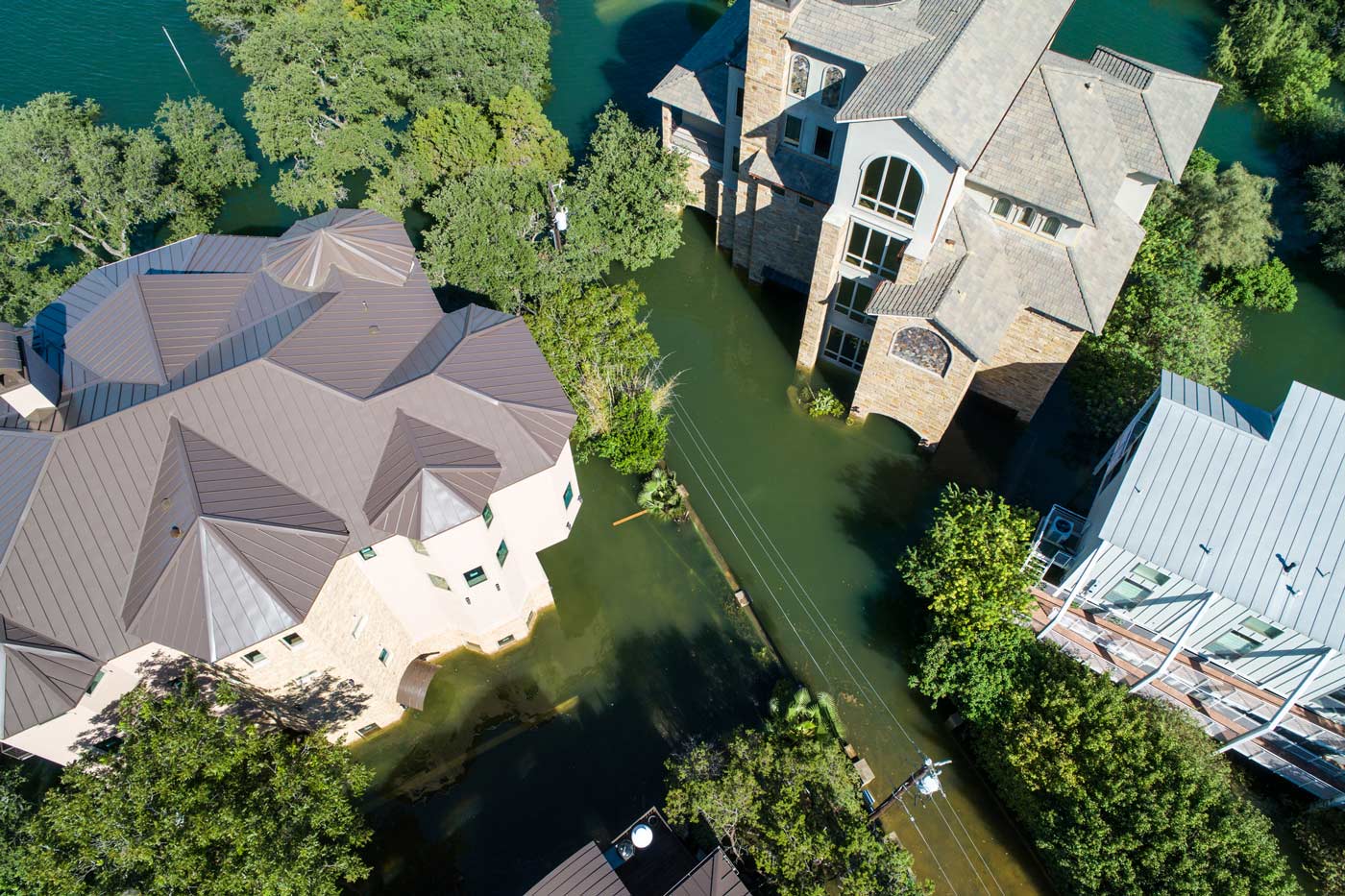
Coastal Storms and Flooding: Why the Cause of Damage Matters
Atlantic City’s location on Absecon Island places coastal weather among its important property insurance considerations.
Nor’easters, tropical systems, strong winds, heavy rainfall, and tidal flooding can affect buildings in different ways. During a single storm, a property may experience damage from more than one cause.
Those causes should be evaluated separately.

Roof and Water Damage in Older Buildings and High-Rise Properties
Atlantic City has a varied building stock, and that variety affects the way property damage develops.
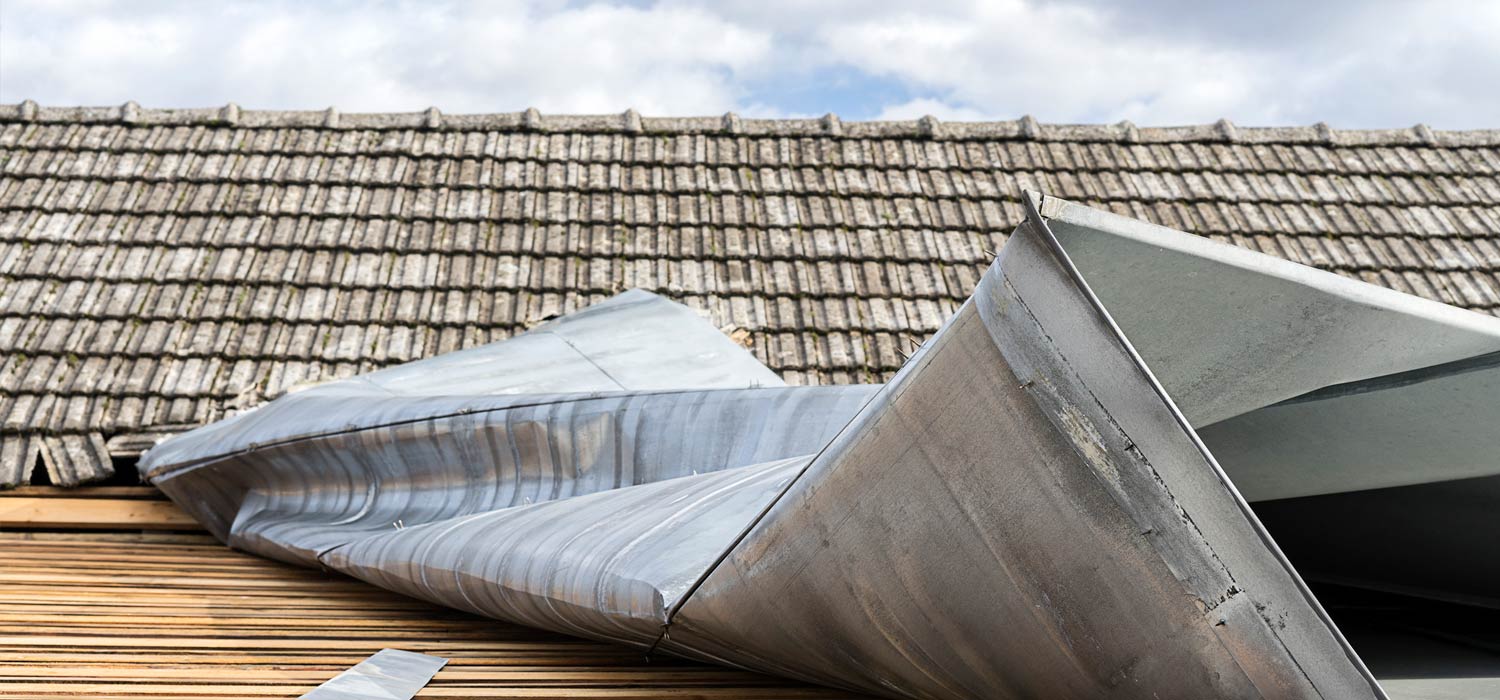
A pitched roof on an older house requires a different inspection approach from a low-slope roof on an apartment building or a commercial roof serving a hotel.
Similarly, water released from an upper-floor plumbing system can affect several levels before the full damage becomes apparent.


Fire and Smoke Damage Across Atlantic City's Properties
A fire in Atlantic City can affect a single-family home, an apartment building, a restaurant, a hotel, or another commercial facility.
The flames may be confined to one area while smoke and soot spread through adjoining rooms, corridors, ventilation systems, and occupied spaces.
Firefighting water can create additional damage that must be documented.
In older residential buildings, repairs may involve plaster, framing, flooring, and materials that differ from those found in newer construction.
In commercial properties, the loss may include equipment, inventory, tenant improvements, and other insured property.
A complete claim assessment should consider the full extent of the damage and the applicable policy provisions.

When an Atlantic City Business Cannot Operate Normally
Business interruption can be especially consequential in a city with substantial hospitality, tourism, entertainment, and retail activity.
Consider a restaurant that must close after a covered kitchen fire. A hotel may temporarily lose the use of guest rooms after a major water loss. A retailer may be unable to reopen while damaged inventory and building systems are addressed.
The physical damage and the financial consequences require different types of documentation.
A business interruption claim may involve financial statements, historical revenue, continuing expenses, payroll, extra expenses, and the period reasonably required to restore operations.
For tourism-related businesses, seasonal demand and booking patterns may be relevant to evaluating the loss.
Business interruption coverage is not automatic. It generally depends on qualifying covered physical damage and the specific terms, waiting periods, limits, and exclusions in the policy.
Main Street Adjusters helps commercial policyholders organize supporting information and pursue qualifying claims.
Atlantic City Neighborhoods and Districts We Serve
Main Street Adjusters assists property owners throughout Atlantic City, including but not limited to:
- Chelsea: Historic residential properties, apartments, neighborhood businesses, and buildings near the southern Boardwalk area.
- Lower Chelsea: Residential buildings, condominiums, and properties closer to the oceanfront.
- Chelsea Heights: Established residential streets and properties near the city’s southwestern waterfront.
- Ducktown: Older rowhouses, restaurants, neighborhood businesses, and mixed-use buildings.
- Midtown and Downtown: Commercial storefronts, offices, residential properties, and entertainment-related businesses.
- The Inlet: Residential properties, waterfront buildings, and businesses near the city’s northeastern shoreline.
- North Inlet: Residential and oceanfront properties near the northern end of the Boardwalk.
- South Inlet: Residential buildings and properties near the oceanfront and resort district.
- Bungalow Park: Established homes, multifamily properties, and neighborhood businesses.
- Venice Park: Residential properties along the city’s western waterways and surrounding streets.
- Westside: Year-round residential neighborhoods, rental properties, and local commercial buildings.
- Marina District: Hotels, casinos, restaurants, commercial facilities, and waterfront properties.
- Gardner’s Basin Area: Waterfront businesses, residential properties, and buildings near the Inlet.
- Boardwalk and Tourism District: Hotels, entertainment venues, restaurants, retail spaces, and other commercial properties.
- Orange Loop: Restaurants, entertainment businesses, mixed-use properties, and nearby commercial buildings.
We also assist policyholders in other residential neighborhoods, condominium communities, and commercial areas throughout Atlantic City.
Every claim is evaluated according to the property’s specific damage, cause of loss, and applicable insurance coverage.
How Main Street Adjusters Helps Atlantic City Policyholders
An insurance company’s adjuster evaluates a claim on behalf of the carrier. A public adjuster represents the policyholder.
Main Street Adjusters helps Atlantic City property owners prepare claims supported by the conditions at the property and the terms of their insurance policies.
Depending on the loss, our work may include inspecting damage, reviewing coverage, documenting affected building components and contents, preparing estimates, evaluating carrier assessments, and negotiating differences in scope or valuation.
For condominium and multifamily properties, this may also involve reviewing the responsibilities of individual owners, landlords, and associations.
For commercial claims, the documentation may extend to equipment, inventory, tenant improvements, and qualifying business income losses.
We do not assume that every damaged item or financial loss is covered. Our role is to help policyholders identify and present their claims accurately.
Learn more about how public adjusters represent New Jersey property owners.
Get Help With an Atlantic City Property Insurance Claim
A property insurance claim should reflect the actual damage, not simply the first estimate prepared after a loss.
Main Street Adjusters assists Atlantic City homeowners, landlords, condominium owners, and commercial property owners with fire, flood, water, storm, roof, and business-related insurance claims.
If your property has sustained damage or you have concerns about an existing claim, our team can help you evaluate the next steps.
Contact Main Street Adjusters for a free consultation about your Atlantic City property insurance claim.
You can also explore our New Jersey Areas Served page for additional communities we serve.
Frequently Asked Questions
Yes. Main Street Adjusters assists commercial property owners and businesses with claims involving fire, water, storms, roof damage, and other property losses. Qualifying business interruption losses may also be relevant, depending on the policy and circumstances.
Storm surge and other flooding caused by rising water are generally excluded from standard homeowners insurance. Separate flood insurance may provide coverage, subject to policy terms, limits, and exclusions. Wind damage and certain other storm-related losses may be evaluated under different provisions.
Yes. Condominium claims may involve damage to individual units, shared building components, or common areas. Coverage responsibilities depend on the association’s master policy, the unit owner’s policy, and the applicable governing documents.
A policyholder may be able to retain a public adjuster after receiving an initial estimate or settlement offer. Available options depend on the claim’s status, applicable deadlines, policy requirements, and any settlement agreements already reached.